Notes from the Armory
That this year’s Armory Art Show, I found drawn again and again to work that evoked a memory, whether a person, a place, or a summer long past, alongside pieces that simply stopped me in my tracks with their color, shape, or energy. Here are the works I keep thinking about:
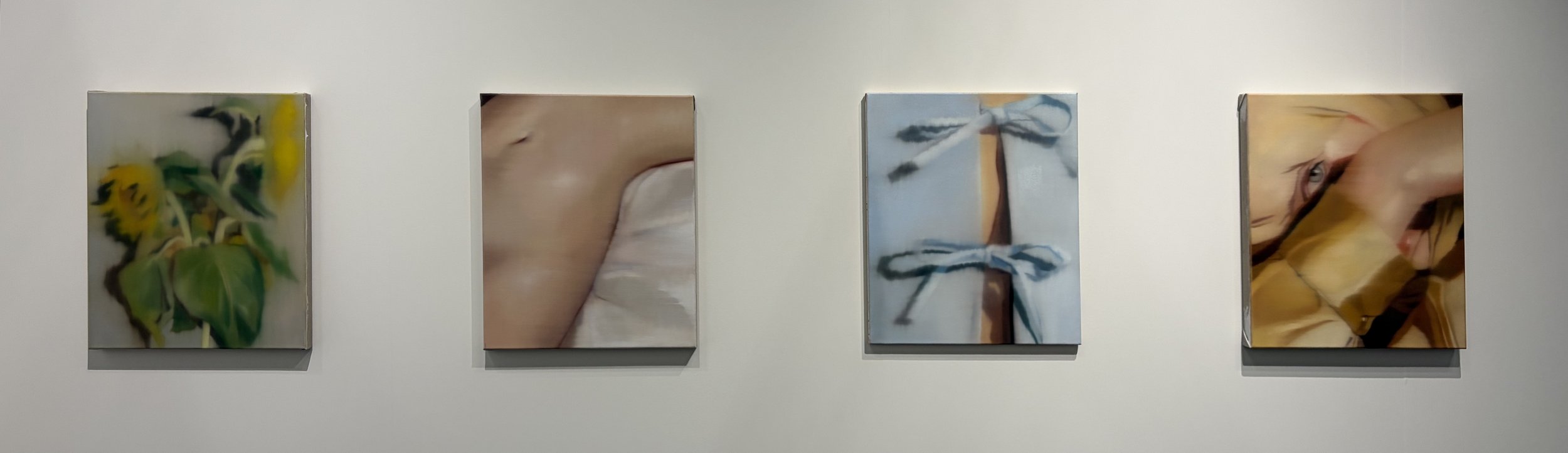
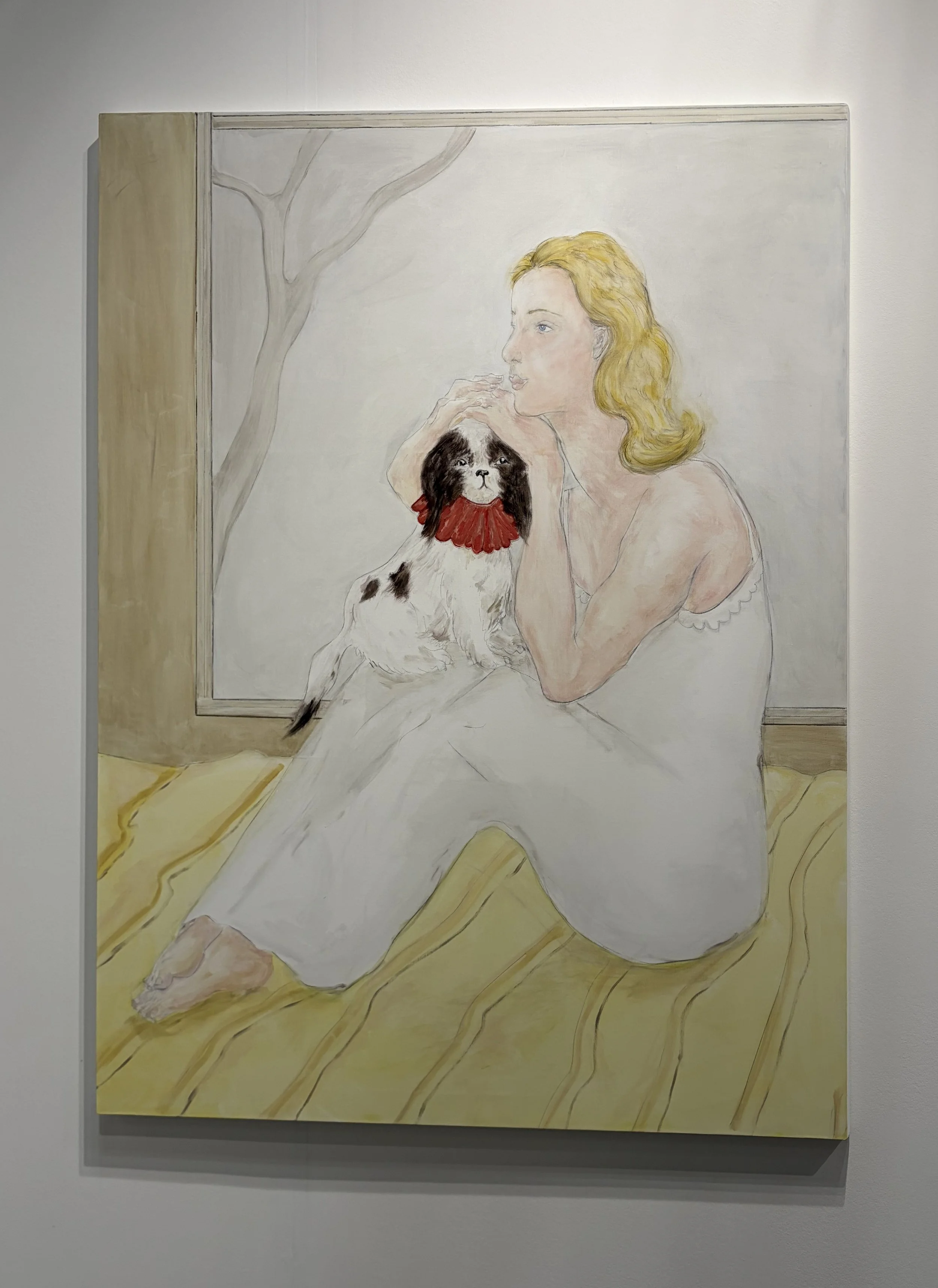
Johanna Bath
Bath's paintings have a softness that evokes memory. Her colors are gentle and hazy, and her figures seem to surface the way the recollection of someone does: tender, a little blurred, and unmistakably felt.
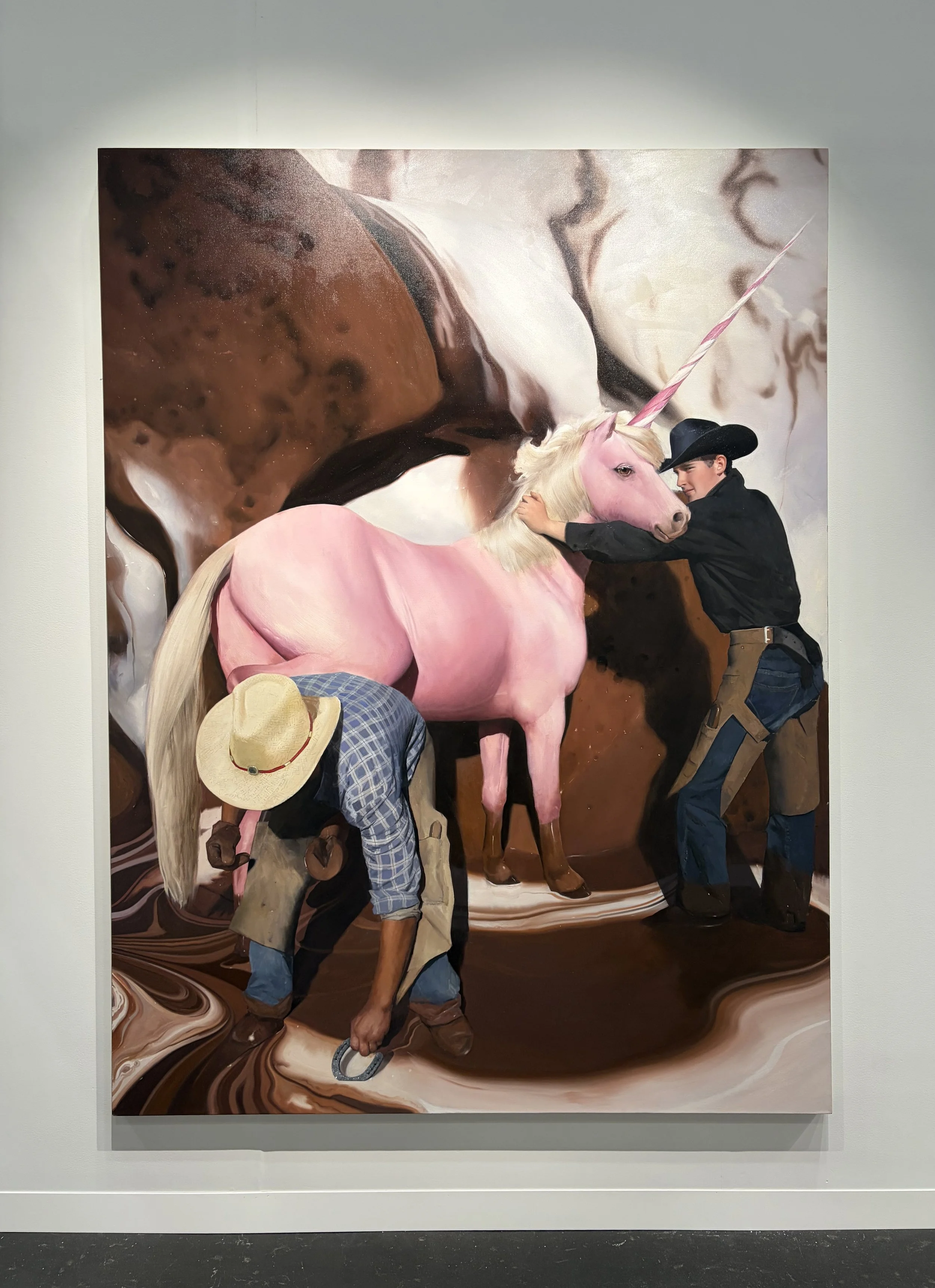
Will Cotton
At the other end of the spectrum, Cotton's figurative paintings are bold, playful, and impossible to walk past. They're pure color and confidence, and they make a strong case for joy as a serious subject.
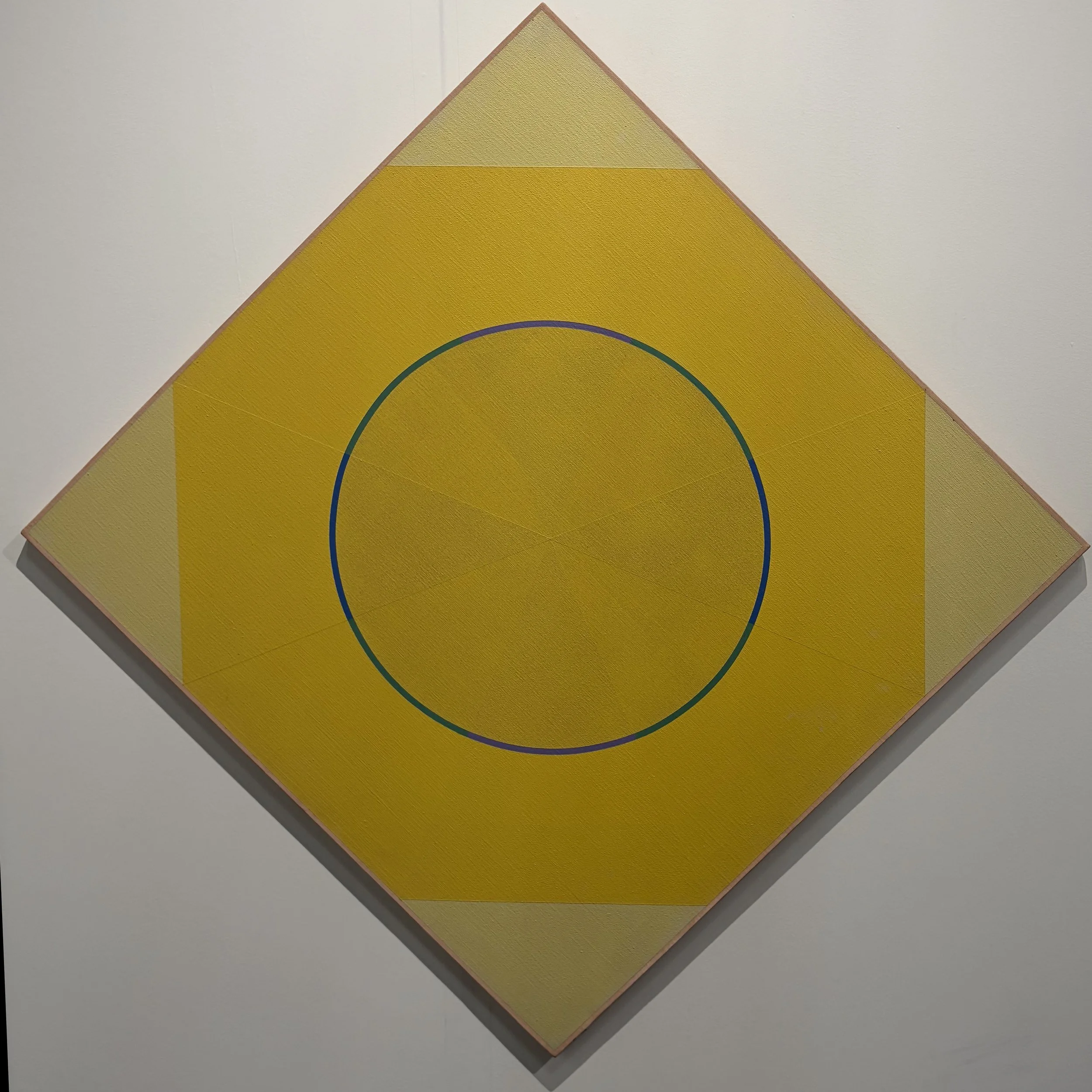
Roy Kiyooka
The first thing I noticed was the shape of the canvas, then the precise geometry within it. Kiyooka was one of Canada's first interdisciplinary artists and a major force in Vancouver, where he arrived as an established painter and pushed a generation of artists to look past regional styles toward international currents.
Tanya Merrill
Merrill's paintings feel dreamy and unlabored, never overworked. She builds invented narratives filled with animals and characters caught in moments of reflection, excitement, or mischief, and uses them to explore our complicated relationship with nature and how culture portrays gender and sexuality. The results are fantastical, meaningful, and often quite funny.
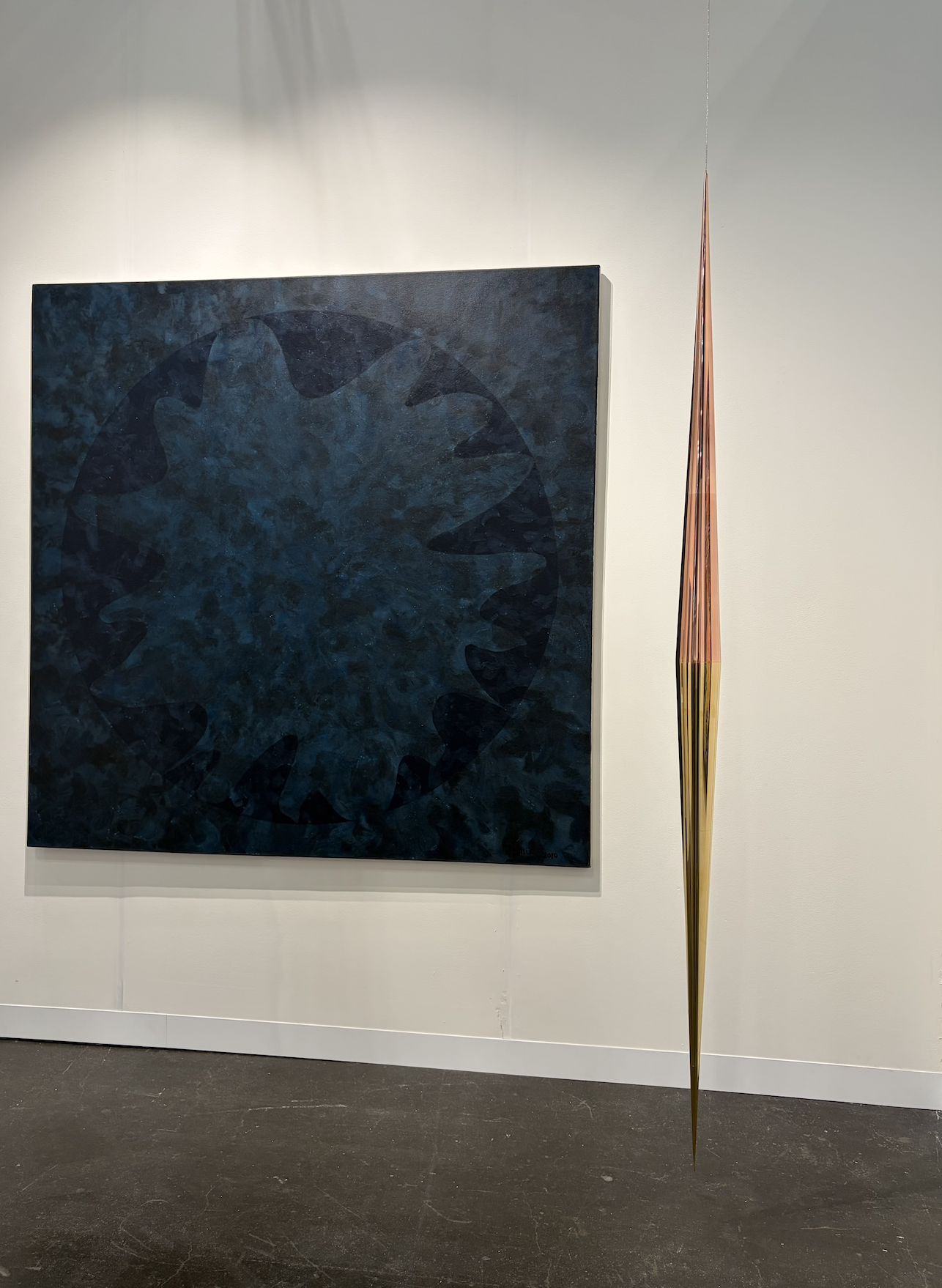
Artur Lescher
These hanging sculptures caught my eye immediately, and I could instantly picture one in a transitional Boston brownstone, suspended in a stairwell or above a dining table. The Brazilian artist's work is held in major public collections, including MALBA in Buenos Aires, the Museum of Fine Arts Houston, the Philadelphia Museum of Art, and the Pinacoteca do Estado de São Paulo.
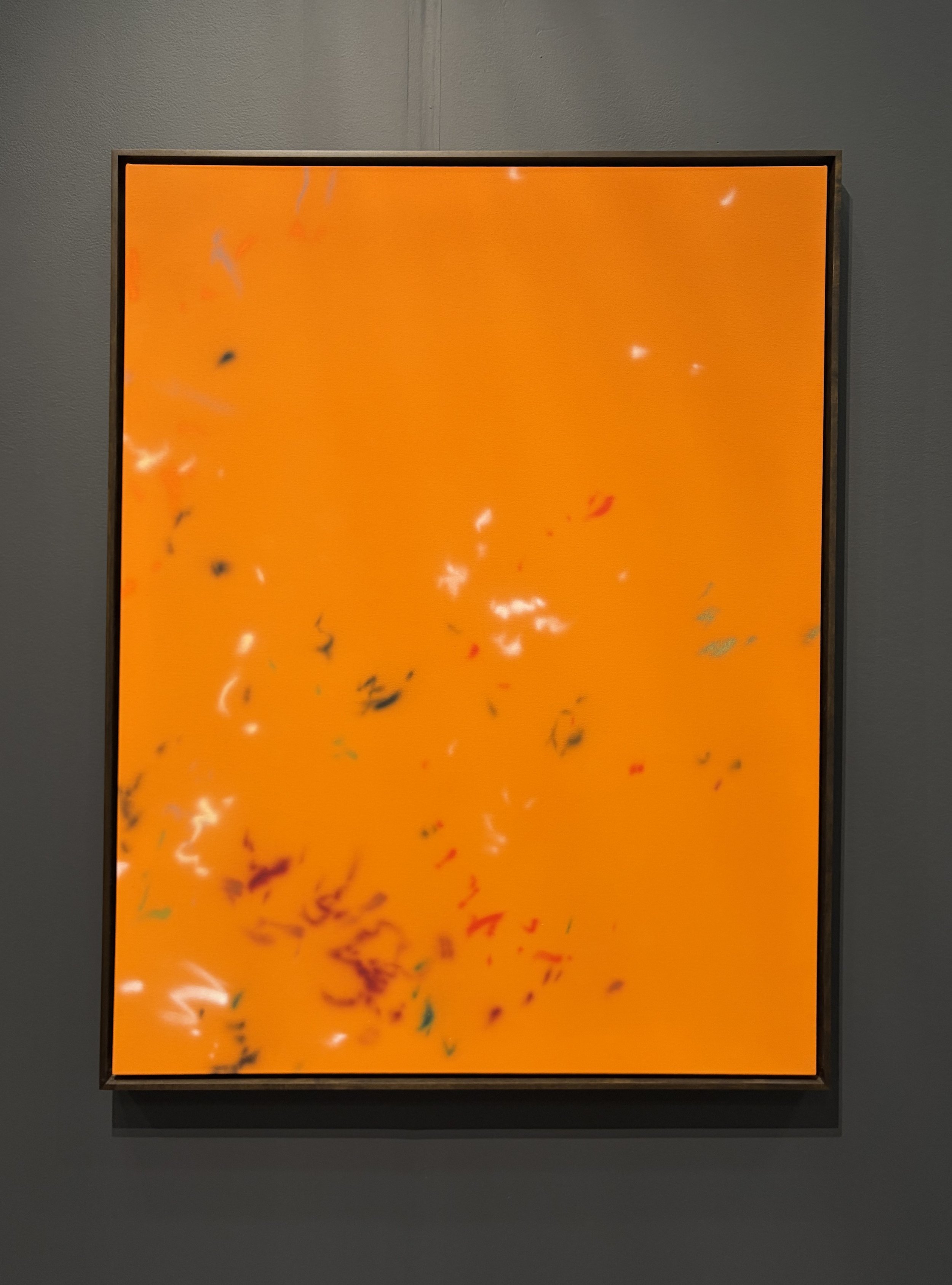
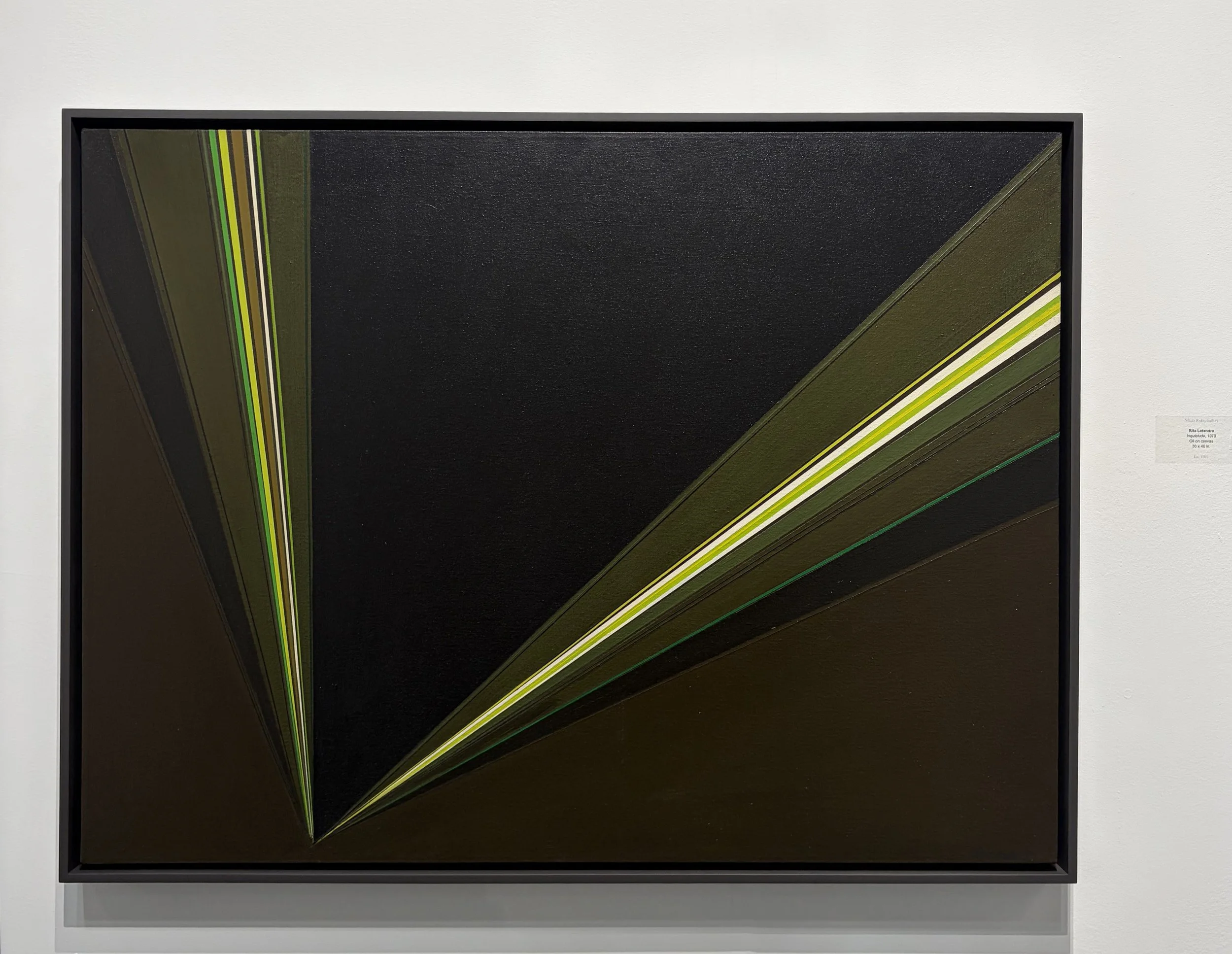
Rita Letendre
I love the color and geometric shapes in this painting. Letendre devoted her career to abstraction, searching through color and gesture for a way to express the energy of life itself. Her many honors include the 2010 Governor General's Award in Visual and Media Arts and the 2016 Paul-Émile-Borduas Award, and her work is in museum collections across Canada and the U.S., including the National Gallery of Canada.
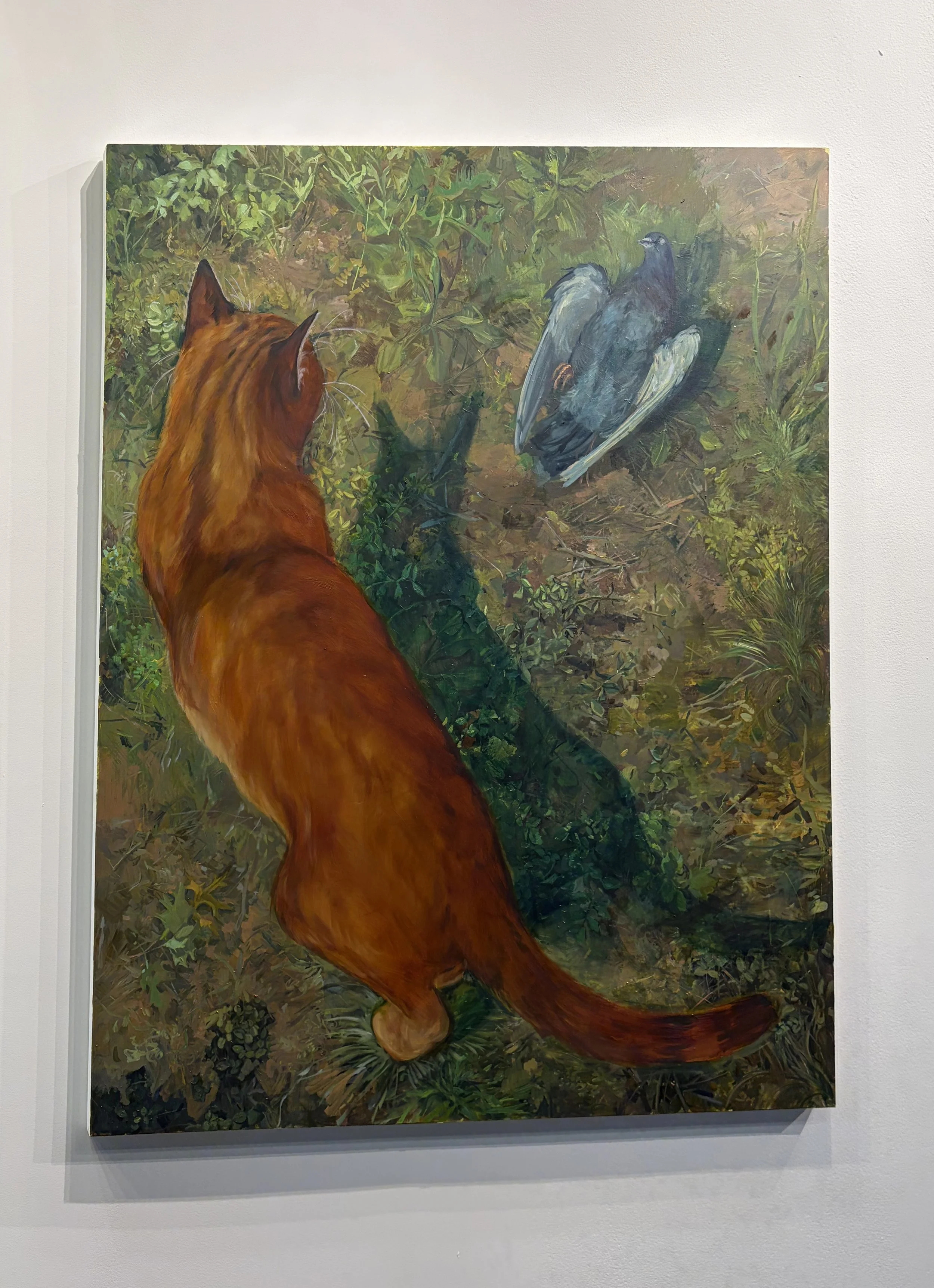
Rebecca Ness
Ness's painting held me with its quiet tension: a vulnerable pigeon, and the shadow of a cat looming over it. A Boston University BFA and Yale MFA, Ness is already collected by institutions around the world, from the Yale University Art Gallery and the High Museum of Art to the Moderna Museet in Stockholm, the Albertina in Vienna, and the Long Museum in Shanghai.
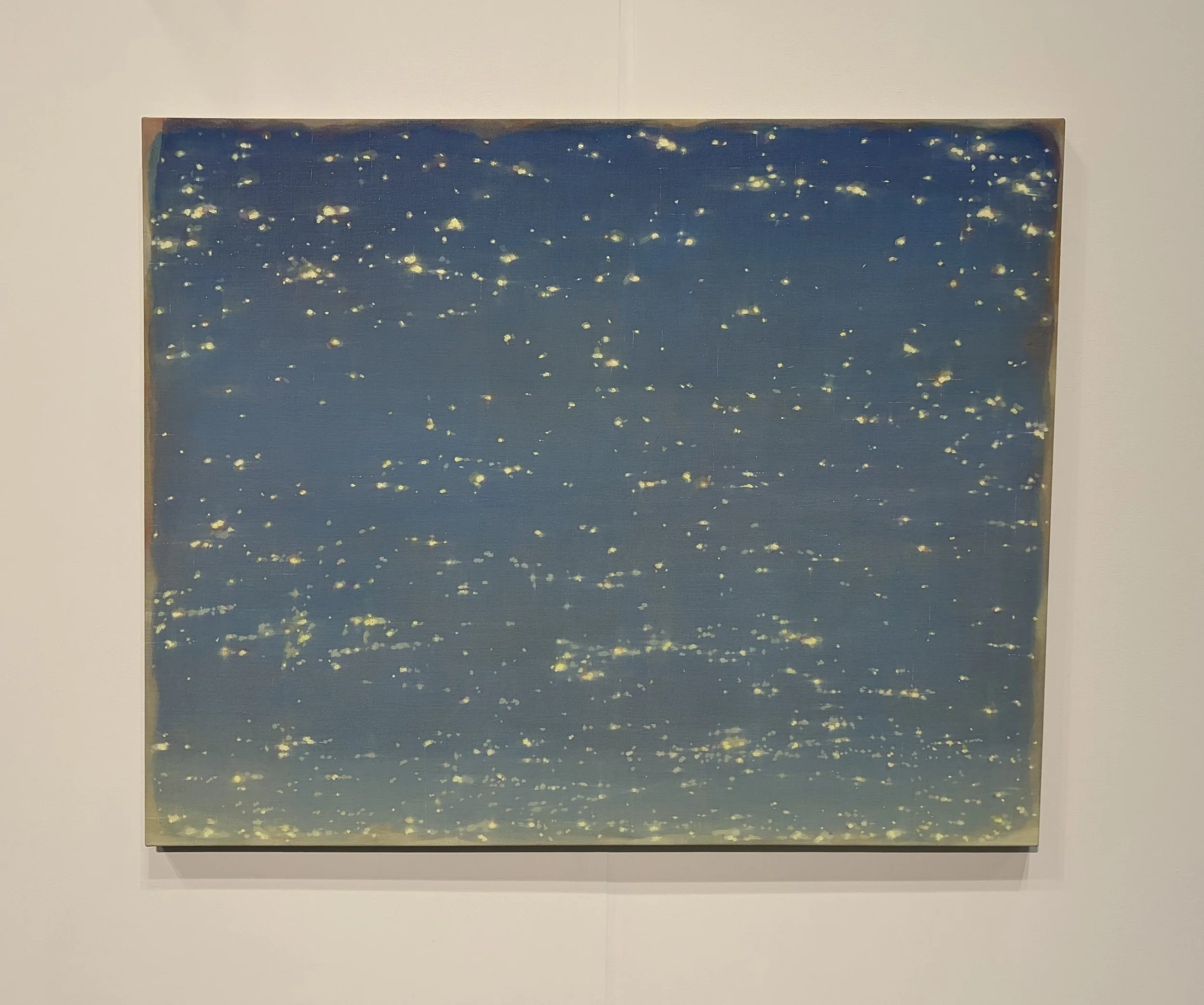
Michelle Paterok
This one was personal. Paterok's painting shows light on Lake Ontario, and it brought me straight back to the summers of my Michigan childhood. The Canadian artist explores how we absorb places and carry them with us in memory, and how the passage of time can live inside a still image. Soft and luminous, it's exactly what her work sets out to do.
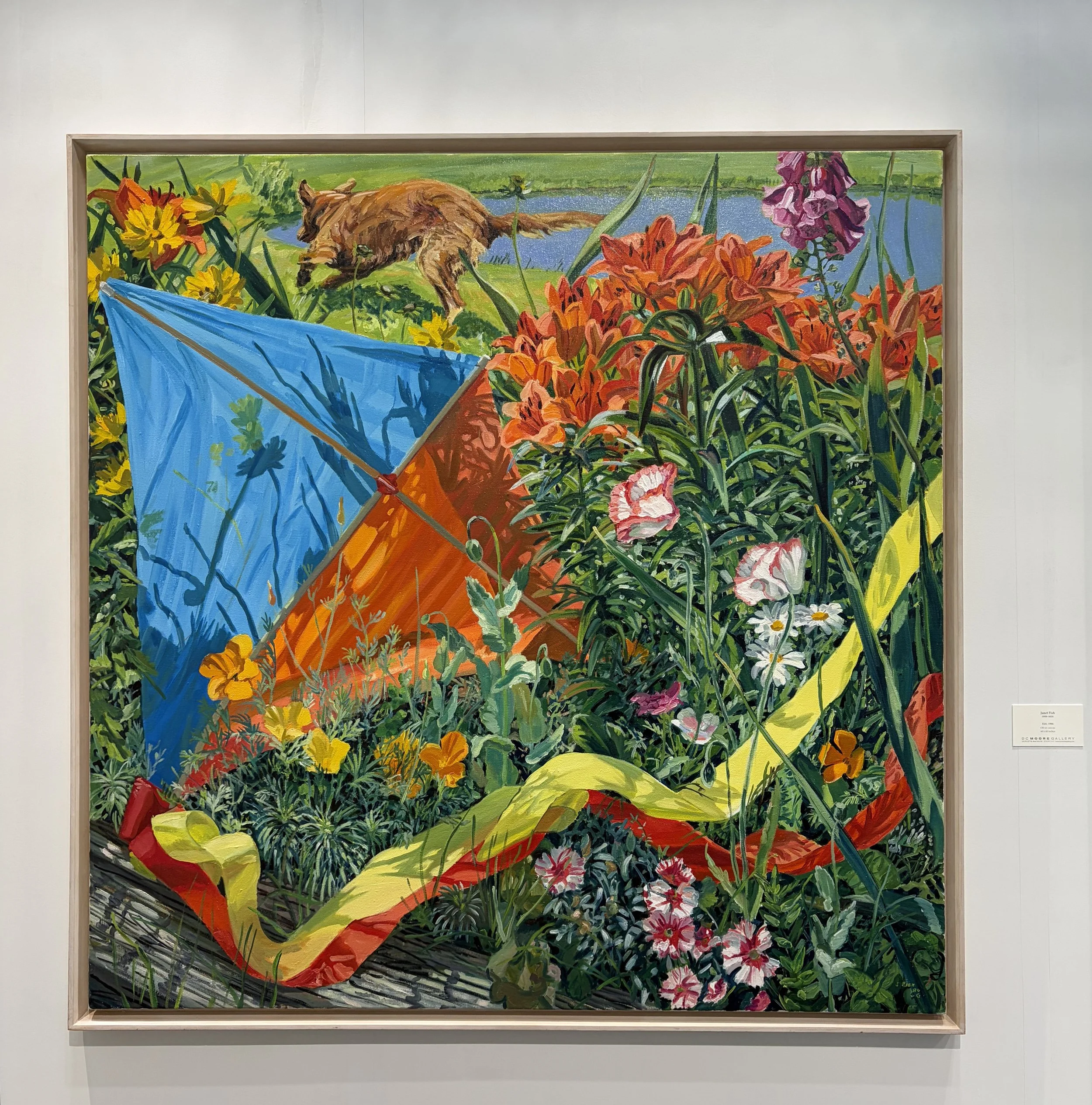
Janet Fish
Boston-born Fish takes the language of Dutch still life (the flowers, the abundance) and fills it with a movement and color that feel entirely her own. The subject is traditional, but the energy couldn't be more current.
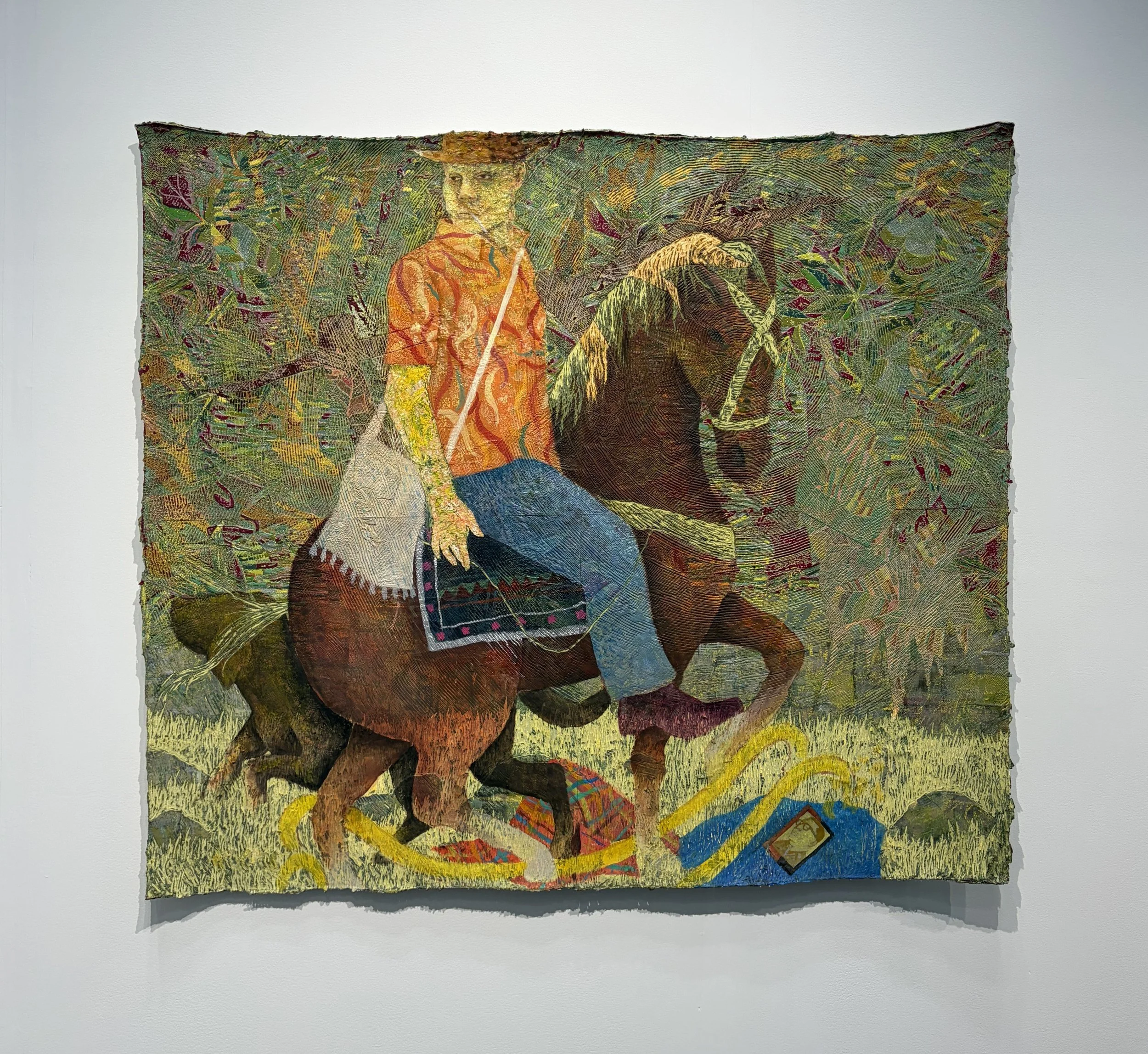
Kathia St. Hilaire
St. Hilaire's ornate tapestries draw on Haitian Vodun flags, which carry the country's history and honor ancestral spirits. The Miami-based artist works with unexpected materials to preserve Haitian history and Vodun traditions that remain very much alive today.
Frederic Anderson
I admired Anderson's color and paint handling right away, and then learned the inspiration behind it. The London-based painter works from 1950s and '60s New York jazz, especially Freddie Hubbard, Charles Mingus, and Thelonious Monk, making drawing after drawing in response to specific tracks before distilling them into layered canvases. They really do read as sound made visible.
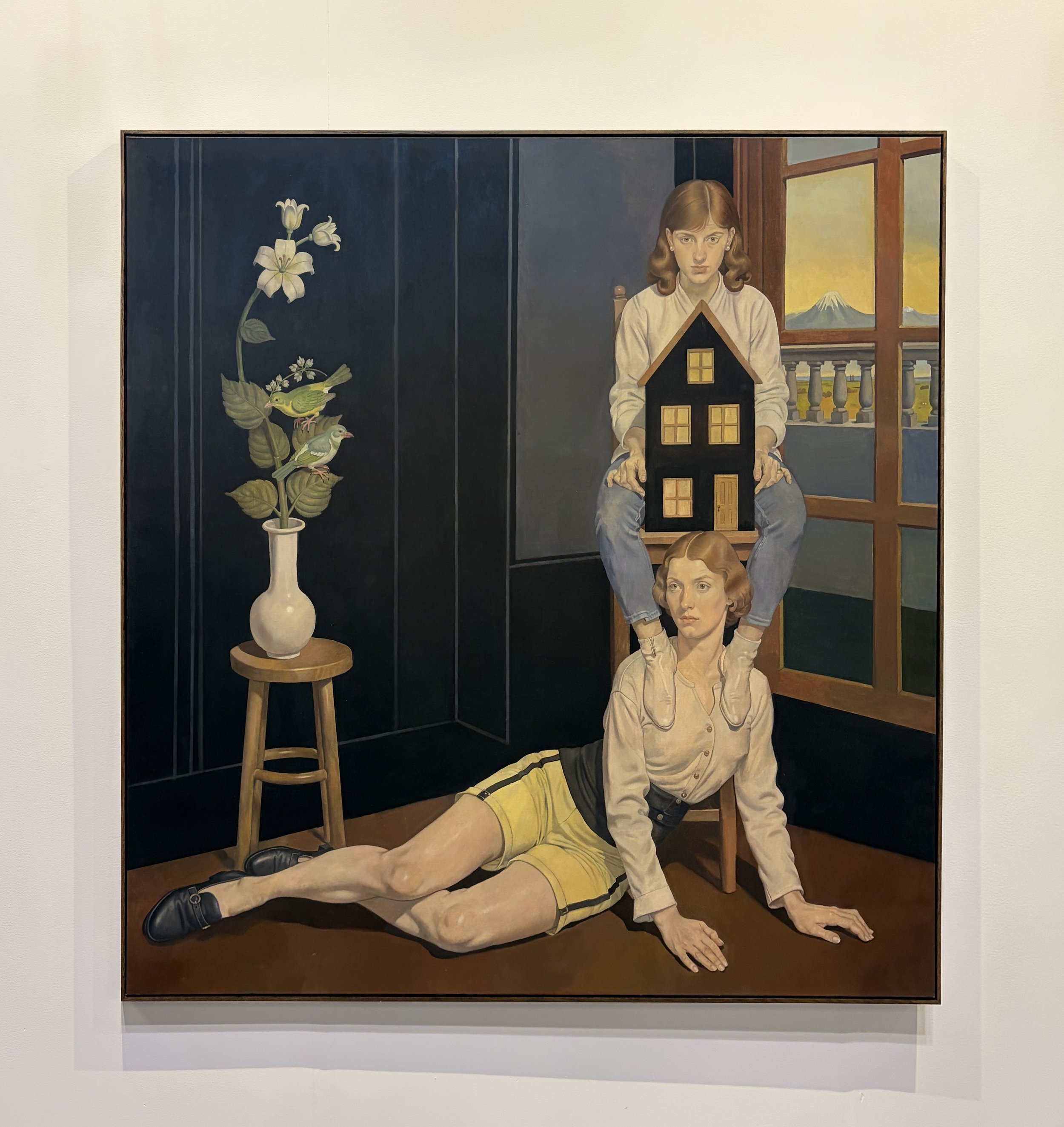
Von Wolfe
Wolfe's domestic interiors and architectural details drew me in, and the strangeness of how the figures relate to one another kept me there. The London-based British artist explores identity, intimacy, and power, particularly the pull between control and autonomy, and the invisible social, technological, and psychological forces that shape how we act.
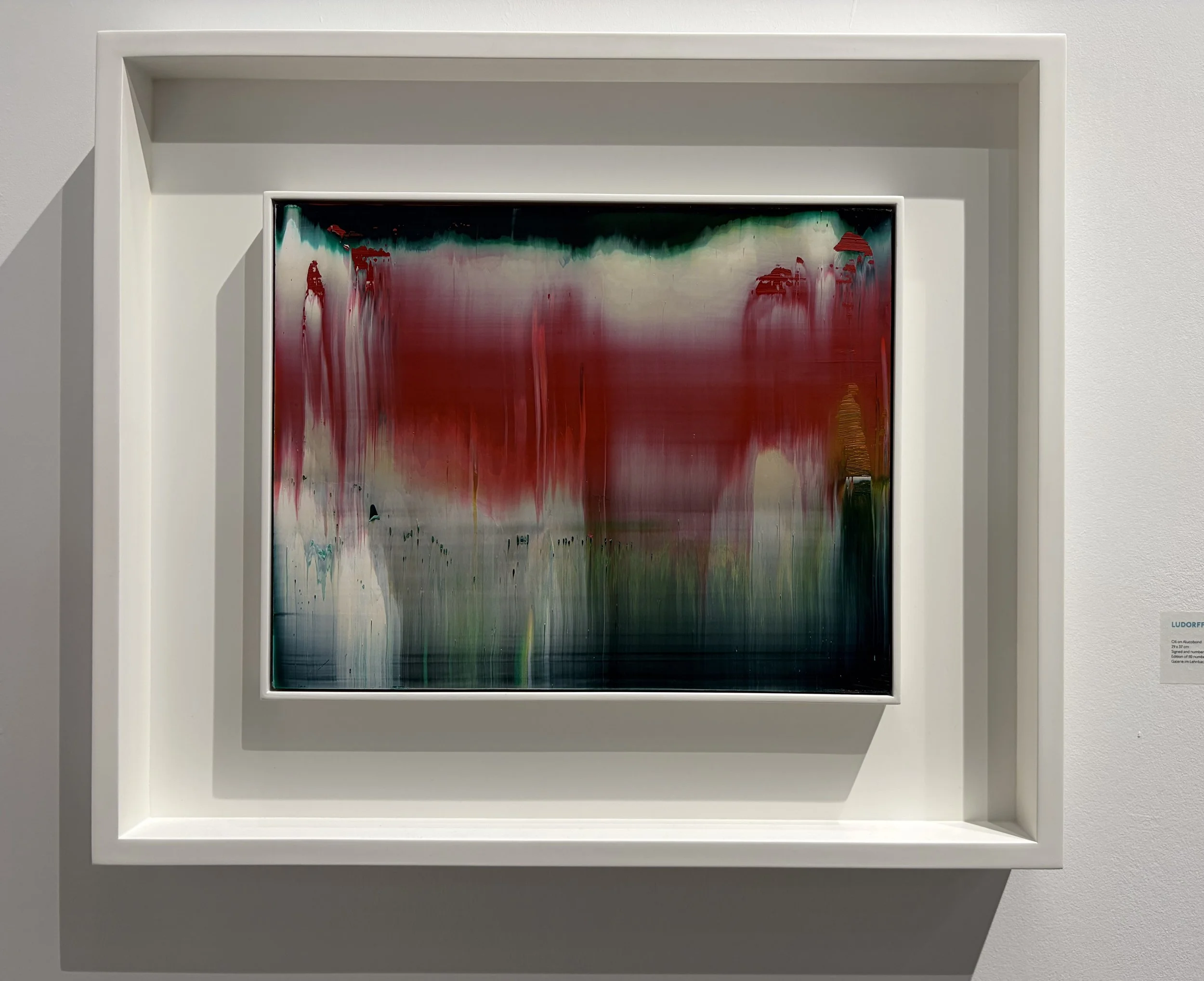
Gerhard Richter
And finally, a sweet little squeegee abstraction by Richter. I've loved his work for years, and it's always a pleasure to come across a more intimate piece by him.
If any of these artists speak to you, or you'd like to talk about how a piece like this might live in your own home, I'd love to hear from you.